


By Gauri Puranik, Head of English Programmes India, British Council
There are 22 scheduled languages in India, which are also the mediums of instructions in the classroom. With India’s highly diverse linguistic landscape, this implies that for many children, the medium of instruction imposed in the classroom is not their mother tongue, impacting their learning outcomes.
Thus, a typical government primary school teacher teaches not just a multi-grade classroom but also has a classroom full of children with multilingual backgrounds. This calls for a major shift in pedagogy in language education. Language mixing in classrooms should be accepted, developed, and adopted across early primary school years to ensure children can build on multiple language resources. Instead of English medium instruction in early primary years, English should be introduced as a subject. This will enable learners to build their English language skills over time as they transition from primary to tertiary education.
It is essential to provide teachers with training on how to successfully integrate multilingual methods when preparing, organising and structuring lessons so that languages are switched at particular points of lesson delivery and classroom activities. Traditionally, teacher training has often been confined to face-to-face events, offering limited scope for real-world application of knowledge. Collaborative initiatives are now steering towards learner -centred teaching methodologies aiming to equip teachers with insights for seamless integration of different languages in classroom practices.
These methodologies prioritise student engagement, critical thinking, and interactive learning, enabling an inclusive educational space that nurtures language development organically.
Continuous Professional Development (CPD)
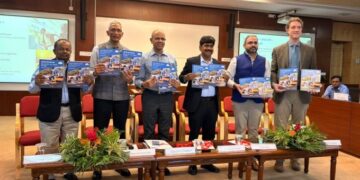
To truly empower primary teachers, we must embrace continuous professional development. The digital age presents an array of opportunities for ongoing learning, ensuring teachers stay updated with educational best practices. With a keen interest in enhancing their teaching methods, primary teachers in India are looking for quality resources that address their CPD needs, especially in a multilingual classroom. The 54 language primers recently launched by the National Council of Research Education and Training (NCERT) are a positive step in this direction.
Online platforms, webinars, and interactive modules serve as catalysts for refining language skills and staying updated with pedagogical trends. This shift towards digital modes of learning is not just a response to the global pandemic; it is a strategic move towards democratising education. Teachers, regardless of their location, can access resources that enhance their proficiency and confidence in language instruction.
Curriculum Analysis and Alignment
Empowering primary teachers requires a nuanced understanding of the unique challenges and opportunities within each educational context. Initiatives focused on language development undertake detailed needs analysis studies to identify the specific requirements of teachers and students. This granular understanding informs the content and structure of interventions, ensuring that they are not only relevant but also impactful.
Moreover, a key element of these initiatives is the alignment of interventions with state curricula and course books. By grounding language development projects in the existing educational framework, teachers can seamlessly integrate new strategies into their teaching practices. This alignment ensures that language development is not an isolated endeavour but an intrinsic part of the broader educational journey.
Partnerships and Collaborations
Collaborative initiatives thrive on partnerships with state governments, local teacher educators, administrators, and school leaders. The creation of a dynamic ecosystem involves capacity-building at multiple levels, starting with local teacher educators who play a pivotal role in training, supporting, and mentoring primary teachers in large numbers.
The continuous planning and consultation foster an environment of shared goals and mutual understanding. This collaborative approach ensures that interventions are not imposed but co-created, drawing on the collective wisdom of all stakeholders. The result is a sustainable impact that permeates every primary classroom, laying the foundation for long-term improvement in the teaching and learning of English.
Towards a new paradigm
As we envision a future where multilingual education is an integral part of the educational process, the role of empowered primary teachers becomes paramount. Teachers are not just recipients of knowledge but active contributors to the linguistic growth of the next generation. The catalysts for holistic language development are not merely strategies; they are the seeds of a more vibrant, inclusive, and effective educational ecosystem.
Effective school education can be achieved only if the teachers are well trained and are empowered with the right techniques to cater to different potentials, learning styles and language understanding of every student in the class. Remember, a young mind is curious and is known to learn most languages during formative years and a well-equipped teacher has the capability to lay a foundation of a successful future with a multilingual individual.