

Indraprastha College for Women (IPCW), University of Delhi, on April 17 hosted the International Youth Conclave 2026 in collaboration with the Indian Council of World Affairs (ICWA). The conclave, themed “Indian Foreign Policy in a Transforming World Order: Balancing Security, Development, and Global Leadership,” was organised under a Memorandum of Understanding (MoU) with ICWA. It aimed to promote world affairs literacy, enhance awareness of foreign policy, and encourage meaningful youth engagement.
The event brought together scholars, policy practitioners, and undergraduate students from across India to deliberate on pressing issues in international relations. The initiative aligns with IPCW’s commitment to fostering informed dialogue on contemporary global dynamics and strengthening students’ understanding of the evolving world order.
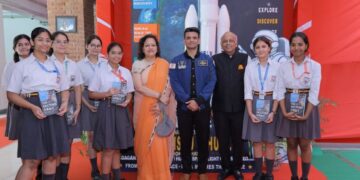
The Chief Guest, Dr. Vinay Sahasrabuddhe, former Vice President of the Bharatiya Janata Party, was joined by Ms. Himani Pant, Research Fellow at ICWA. The programme was led by Principal Prof. Poonam Kumria, who emphasised that the primary objective of the conclave is to empower young women through education that promotes critical thinking and informed engagement. She also highlighted the importance of collaboration between academia and policy institutions in preparing students for an increasingly interconnected world.
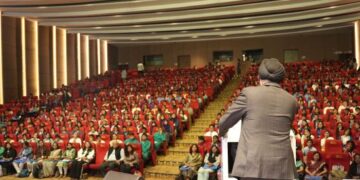
In his address, Dr. Sahasrabuddhe elaborated on “Vasudhaiva Kutumbakam” as the philosophical foundation of India’s foreign policy, noting that India’s global goodwill is rooted in decades of principled leadership. He also acknowledged the contributions of former External Affairs Minister Smt. Sushma Swaraj in strengthening India’s international outreach. Discussions further explored how globalisation has simultaneously reinforced national identities, making it imperative for youth to understand India’s strategic priorities and humanitarian commitments.
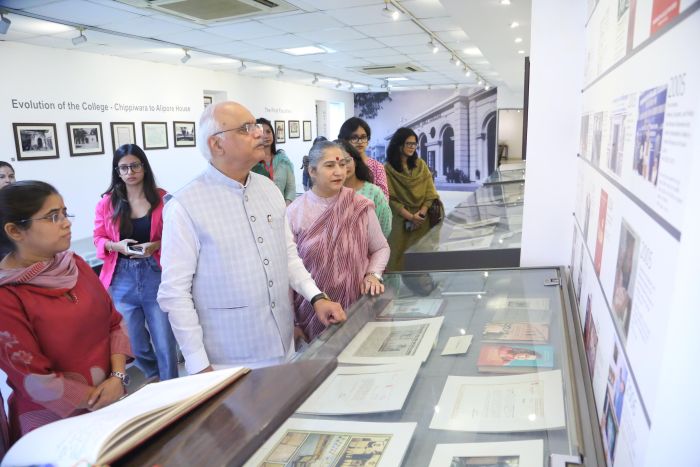
As part of the conclave experience, the distinguished guests were also taken on a visit to the College’s Museum and Archives, where they engaged with IPCW’s rich institutional legacy and historical collections.