

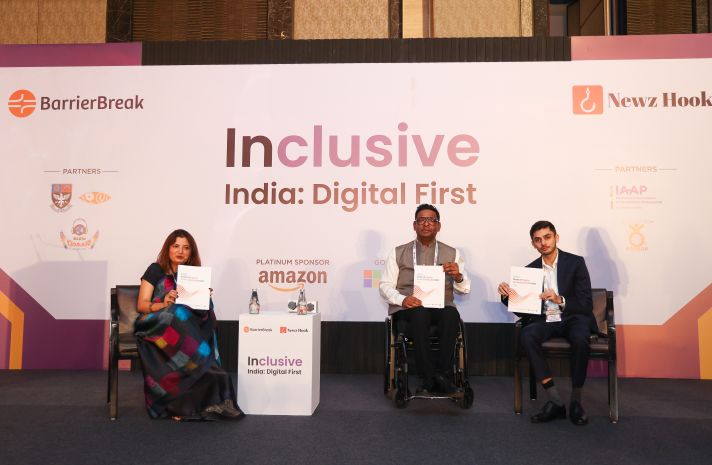
A new national study by BarrierBreak, in partnership with the National Centre for Promotion of Employment for Disabled People (NCPEDP), has found that a significant number of India’s most visited websites continue to remain inaccessible for people with disabilities. The BB100 State of Digital Accessibility in India 2025 analysed 100 of the country’s most visited websites and identified an average of 116 accessibility errors per homepage. The highest error rates were observed in Entertainment (285.2), Travel & Tourism (144.3), and E-commerce (121.5) sectors.
Digital accessibility ensures that online platforms, such as government portals, e-commerce sites, and digital banking services, can be independently used by people with visual, hearing, motor, or cognitive disabilities. According to NFHS-5 data, India has over 63 million people with disabilities, yet much of its digital ecosystem remains out of reach for them. Key findings include:
- 64% of errors were at the most basic (Level A) standard, indicating foundational design and navigation issues remain widespread.
- The highest error categories were poor colour contrast (36%), link issues (23%), missing keyboard operability (11%), ARIA markup (11%), and inadequate image descriptions (7%).
- Public sector websites, particularly Government and Healthcare, have shown improvement since last year, averaging 63.8 and 59.6 errors per homepage, but still fall short of having a truly inclusive design.
- Consumer-facing sectors like Entertainment and E-commerce continue to struggle, with high error rates and inconsistent application of accessibility features.
“The findings are a reminder that millions of Indians continue to be excluded from everyday digital experiences and essential online services. The Entertainment, Travel, and E-commerce sectors touch our daily lives, yet remain the least accessible for this demographic,” said Arman Ali, Executive Director, NCPEDP. “As the Supreme Court has affirmed, digital access is a fundamental right. India needs organizations to treat accessibility as a mainstream business and policy priority by integrating it from the very first line of design. Beyond the moral and legal imperative, the cost of inaccessibility is also economic. Every inaccessible website represents lost customers, reduced engagement, and untapped revenue potential. Only when accessibility is seen as both a right and an opportunity can we ensure every Indian participates equitably in our digital future.”
Shilpi Kapoor, Founder and CEO of BarrierBreak, said, “We must stop viewing disability inclusion as a charity. When we design websites, apps, and digital services that everyone can use, we build not just equity, but better products for all. We must remember that a large segment of India’s population stands to gain when digital accessibility is implemented. These are not edge cases, but a vast, potential customer base. “
“India’s digital economy has matured rapidly, but the inclusive design culture we need is still catching up. Going forward, embedding accessibility into every stage of digital transformation, rather than scrambling to pass post-launch audits, will improve usability for everyone and, in the process, unlock new markets,” she added.
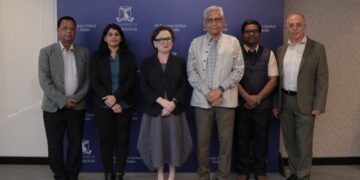
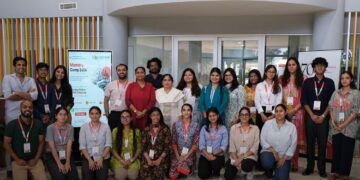
The report was launched at the 4th edition of the Inclusive India: Digital First event on November 10, at in Mumbai. The BB100 study ranks websites across Government, E-commerce, Education, Healthcare, News, Travel & Tourism, Entertainment, and Airlines. Evaluated using BarrierBreak’s A11yInspect tool and WCAG 2.2 Level AA standards, the analysis focused on homepage experiences and key accessibility criteria, including keyboard operability, color contrast, link text clarity, ARIA implementation, and image descriptions, providing a comprehensive cross-sector snapshot of India’s current digital inclusion landscape.
To download a complete copy of the report, please visit – https://www.barrierbreak.com/bb100-report-2nd-edition-digital-accessibility-landscape-of-the-finance-sector-in-india/